
 27 Apr 2026
Most of us have thought about fixing our teeth at some point — maybe a tooth that sits slightly off, a gap you've always noticed, or a bite that doesn't feel quite right. But the moment someone says "braces", the image of metal wires and monthly tightening visits makes a lot of people quietly drop the idea.
That's exactly the problem. Invisalign aligners were built to solve this. No metal. No wires. And a lot less time dreading your next dental appointment.
What are Invisalign aligners?
Invisalign aligners are clear, custom-made plastic trays that gradually move your teeth into the right position. Here's the short version of how they work:
You wear the trays for 20 to 22 hours a day — removing them only to eat, drink (anything other than plain water), or brush your teeth.
Every one to two weeks, you switch to a new set of trays. Each set is slightly different, nudging your teeth a little further along.
Over the course of your treatment, your teeth reach their final, aligned position.
The trays are made from smooth, BPA-free plastic — no sharp edges, no protruding wires, nothing that pokes the inside of your cheek.
How does treatment begin?
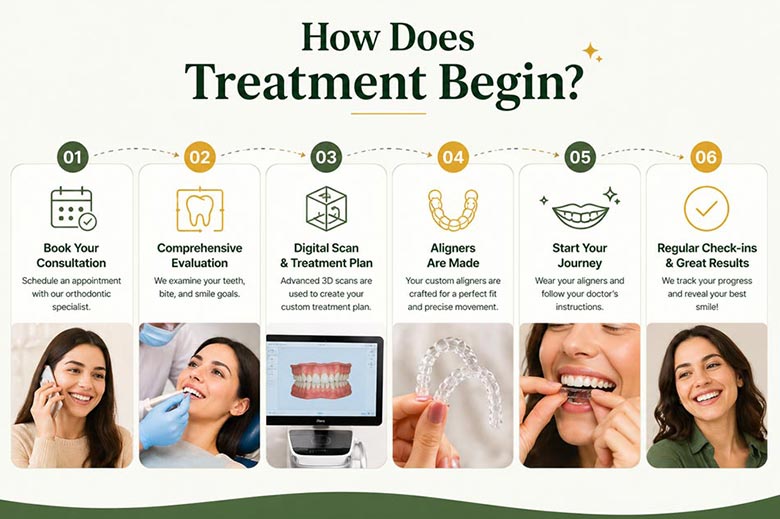
Consultation. Your dentist examines your teeth and takes digital scans – a detailed, accurate picture of every tooth in your mouth.
Digital treatment plan. Those scans go to Invisalign, where software called ClinCheck builds a 3D preview of how your teeth will move at each stage. You get to see the expected end result before treatment even starts.
Custom aligners made. Once you're happy with the plan, your trays are manufactured and delivered to your dentist's office.
Treatment begins. From here, it's mostly in your hands – both the freedom and the responsibility that come with Invisalign.
Worth knowing: Invisalign has been used to treat over 14 million patients worldwide since 1999. It's now one of the most common orthodontic options for adults and teenagers. check Invisalign cost in Gurgaon
What issues can Invisalign treat?
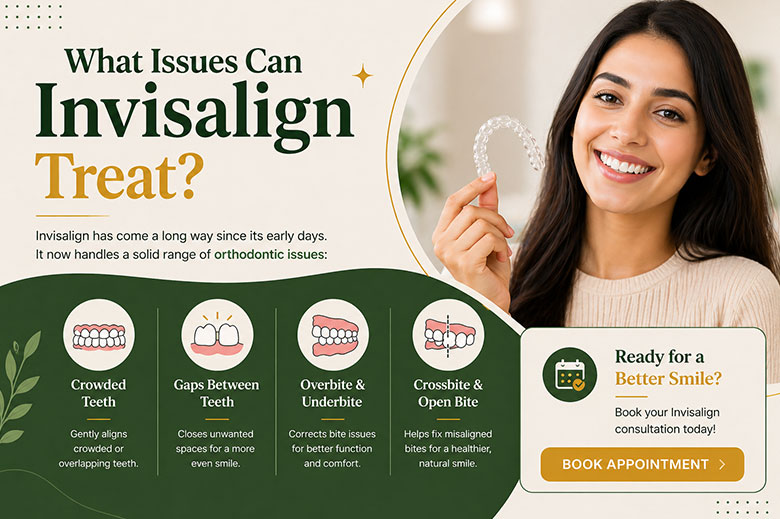
Invisalign has come a long way since its early days. It now handles a solid range of orthodontic issues:
Crowded teeth
Gaps between teeth
Overbite and underbite
Crossbite and open bite
For mild to moderate cases, it tends to work very well. For more complex bite issues, your dentist will be straight with you about whether a different approach might give better results. A good provider won't just tell you what you want to hear — they'll recommend what will actually work.
What's it actually like day to day?
This is the part most people don't ask about until they've already started. Here's what to realistically expect:
Some pressure with each new set. When you switch to a fresh tray, there's usually mild discomfort for a day or two — a dull ache, not sharp pain. It means the aligners are working and fade quickly.
A slight lisp at first. Some people notice this in the first week or two. Your tongue adjusts, and for most people, it disappears on its own.
They're hard to spot. From a normal distance, most people won't notice the trays at all. Colleagues, friends, and even family members often don't pick up on it unless you tell them.
Consistency is everything. The trays need to be in for 20 to 22 hours every day, no exceptions. Taking them out more often stretches your timeline and weakens your results. That part requires real commitment.
Caring for your aligners and your teeth
Good habits matter here. A few things to keep in mind:
Rinse your trays under lukewarm water every time you take them out.
Clean them once a day with a soft toothbrush and plain, unscented soap. Skip the toothpaste — it scratches the plastic and makes the trays look dull and more visible.
Brush your teeth after every meal, then put the trays back in. Food trapped under plastic against your enamel is a quick way to get cavities.
Only drink plain water with the trays in. Tea, coffee, juice – anything else needs the trays out first. Sugary or acidic drinks sitting against your teeth under the plastic cause real damage over time.
Floss at least once a day. Aligners don't give bacteria a pass.
How long does it take?
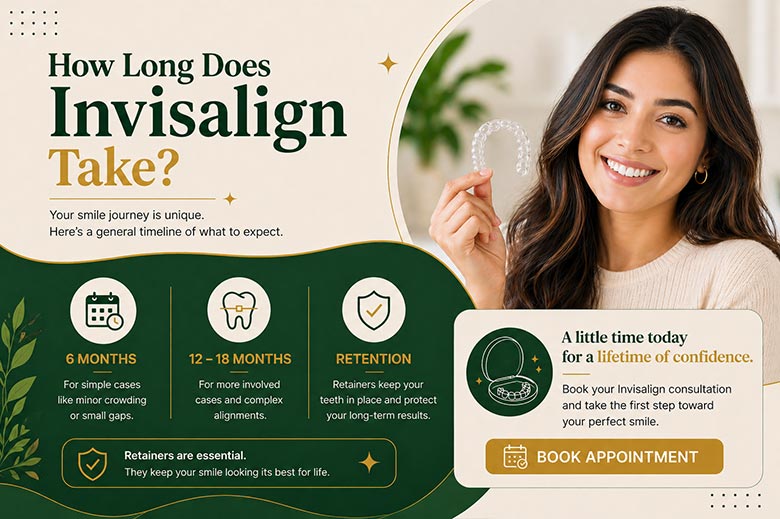
Simple cases: As little as 6 months (minor crowding, small gaps).
More involved cases: Typically 12 to 18 months.
After treatment — retention: Once your teeth reach their final position, you'll wear retainers to keep them there. Teeth drift naturally over time; retainers are what protect the results long-term. This step isn't optional.
Is Invisalign the right choice for you?
Invisalign works well for many people — especially adults and older teenagers who want results without the look and upkeep of traditional braces. It's a strong option if:
You work in a setting where appearance matters.
You want to eat and clean your teeth without working around brackets and wires.
You have mild to moderate alignment or bite concerns.
You're committed to consistently wearing the trays.
It's not for everyone, though. Younger children, patients with very complex bite issues, or anyone who knows they'll struggle to wear aligners every day may get better results with other treatments. The only way to know for sure is a proper evaluation from someone who'll give you an honest answer — not just the one you're hoping for.
At Aspen Dentals, that's exactly how we approach it. We look at your teeth, understand what you want, and tell you what's realistically going to get you there. If Invisalign fits, we'll walk you through it step by step. If something else works better for you, we'll explain that clearly too.
Thinking about Invisalign?
Book a consultation with our team at www.aspendentals.com — we'll assess your teeth, answer your questions, and help you figure out the best path forward. No pressure, just straight answers.
Wondering about the Invisalign price in India? Our cost guide covers the range by case type, EMI options and what the price includes. To see how it works at the clinic, visit Invisalign in Gurgaon.
Still deciding between options? See how they compare in Invisalign vs braces.
Frequently Asked Questions About Invisalign
Does Invisalign hurt?
You may feel mild pressure for a day or two when switching to a new tray. It settles quickly — most people don't need any pain relief.
Can I eat whatever I want during treatment?
Yes. You remove the trays before eating, so there are no food restrictions. Just brush before putting them back in.
Will anyone notice I'm wearing them?
Very unlikely. The trays are clear and sit close to your teeth. Most people go through treatment without anyone noticing.
How often do I need dental visits?
Every 6 to 8 weeks for a short check-in. No tightening, no long appointments — just a quick progress check.
What if I lose or break a tray?
Call your dentist right away. They'll move you to the next set or order a replacement — don't leave a gap, or your teeth will start shifting back.
Do I need a retainer after Invisalign?
Yes, teeth naturally drift back over time. A retainer is what keeps your results in place, so skipping it undoes everything.


