
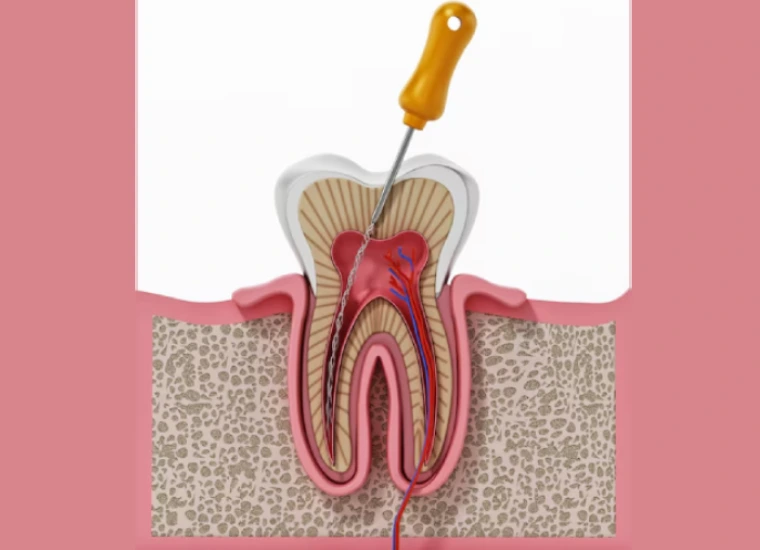
Root Canal Treatment (RCT) in Gurgaon
A simple cavity or mild toothache may seem harmless at first, but when left untreated, it can progress deeper into the tooth and affect the delicate inner pulp. The pulp, which contains nerves and blood vessels, is vital to a tooth’s health and function. Once it becomes infected or inflamed due to decay, cracks, repeated dental procedures, or trauma, it can cause severe pain, sensitivity, or swelling. At this stage, simple fillings are no longer enough to restore the tooth.
This is where Root Canal Treatment (RCT) comes in. RCT is a highly effective, tooth-saving procedure designed to remove the infected pulp, eliminate bacteria, and preserve the natural tooth structure. By treating the infection at its source, root canal therapy not only relieves pain but also prevents the spread of infection to surrounding teeth and gums. Modern root canal techniques are safe, virtually painless, and long-lasting, allowing you to regain both comfort and function without the need for extraction.
Choosing RCT means keeping your natural tooth intact—maintaining your ability to chew properly, preserving your natural smile, and preventing costly or complicated treatments like implants or bridges in the future. With advanced technology, local anesthesia, and minimally invasive methods, today’s root canal procedures are quicker, more comfortable, and more predictable than ever before.
What is RCT?
A Root Canal Treatment is a dental procedure designed to save and restore a tooth that is severely decayed, infected, or damaged. Instead of extracting the tooth, the dentist carefully removes the diseased pulp (the living tissue inside the tooth), cleans and disinfects the root canals, and seals them with a biocompatible filling material.
The tooth is then strengthened and rebuilt with a dental filling or a crown, ensuring it looks and functions just like your natural tooth.
By saving the tooth rather than removing it, RCT maintains chewing ability, prevents teeth from shifting, preserves jawbone strength, and keeps your smile intact.
Root canal treatment in Gurgaon at Aspen Dentals is done with digital X-rays and rotary endodontics at our clinics in Sector 53, Sector 54 and Sector 65. Not sure whether you need one? Read the signs you need a root canal and our step-by-step guide to the procedure.
Why do you need RCT ?
Your dentist may recommend RCT if:
- You have persistent toothache or throbbing pain.
- A cavity has spread deep into the tooth and reached the pulp.
- You experience sensitivity to hot, cold, or sweet foods that doesn’t go away.
- There is swelling, gum tenderness, or a dental abscess near the tooth.
- A cracked or fractured tooth exposes the nerve.
- Nerve injury inside the tooth can cause it to lose its natural shade, leading to visible darkening.
Ignoring these signs can worsen infection, leading to bone loss, spreading of bacteria, or eventual tooth loss. Early treatment makes the procedure simpler and more successful.
Sign & symptoms that indicate RCT
- Lingering toothache, especially at night.
- Swelling, gum tenderness, or pus discharge.
- Sharp pain when chewing or biting.
- Sensitivity to hot or cold lasting more than a few seconds.
- Tooth discoloration (brown, gray, or blackish shade).
- Fractured or chipped tooth with exposed nerve.
If you notice one or more of these signs, consult your dentist without delay.
RCT Procedure
1. Examination & Diagnosis
X-rays and clinical evaluation confirm infection and assess the extent of damage.
2. Comfort & Numbing
Local anesthesia ensures the treatment is completely painless. For highly anxious patients, sedation options may be considered.
3. Access Opening
A small opening is made on the tooth’s surface to reach the infected pulp.
4. Cleaning & Shaping
The infected pulp and bacteria are carefully removed, and the canals are shaped with precision instruments for thorough cleaning.
5. Disinfection
The root canals are disinfected with antibacterial solutions to eliminate infection and prevent recurrence.
6. Filling & Sealing
The canals are sealed with a biocompatible material called gutta-percha to strengthen and stabilize the tooth.
7. Final Restoration
The tooth is restored with either a strong filling or a custom dental crown. A crown is often recommended to reinforce the tooth’s strength and protect it for the long term.
Benefits of RCT
RCT offers multiple benefits compared to tooth extraction or leaving the infection untreated:
- Saves your natural tooth – preserving strength and function and avoid extraction.
- Provides immediate pain relief – eliminates infection and nerve pain.
- Restores chewing and nutrition – no dietary restrictions after full healing.
- Maintains natural bite & alignment – avoids shifting of surrounding teeth.
- Protects smile aesthetics – prevents early gaps and restores appearance.
- Cost-effective long term – more affordable than extraction + replacement options.
Aftercare tips for RCT
Most patients recover quickly after RCT. Slight tenderness may occur, but it usually subsides within a few days. Here are a few aftercare guidelines:
- Avoid chewing or biting hard foods on the treated tooth until it’s permanently restored with a crown as it may fracture the tooth
- Take prescribed medications as advised.
- Maintain normal brushing and flossing, being gentle around the treated area.
- Attend follow-up visits for crown placement and monitoring.
- Report any persistent swelling or discomfort to your dentist.
Root Canal Treatment Cost in Gurgaon: RCT Cost per Tooth
The root canal treatment cost in Gurgaon at Aspen Dentals typically ranges between:
- ₹5,000 – ₹8,500 per tooth (depending on complexity and number of canals).
This is the usual RCT cost in Gurgaon for one tooth, and it includes cleaning, disinfection, and filling. The cost of a dental crown (recommended after RCT) is additional and depends on the material chosen.
What affects the cost of a root canal?
- Number of canals – a tooth with more canals takes longer to clean and fill, so it sits toward the higher end of the range.
- Complexity of the case – a deeply infected tooth or one with curved canals needs more time than a straightforward one.
- Which tooth it is – front teeth generally have fewer canals than back teeth.
- The crown afterwards – billed separately, and the price depends on the material.
The exact fee depends on the tooth and the number of canals, and is confirmed after an X-ray. A dental crown is usually recommended afterwards to protect the treated tooth. book an appointment for a personal estimate.
Why Aspen Dentals, Gurgaon?
We understand that the idea of a root canal can feel intimidating. That’s why Aspen Dentals focuses on making your treatment comfortable, precise, and stress-free.
Here’s why patients trust us for their RCT:
- Experienced dentists with advanced training in root canal therapy.
- State-of-the-art technology including digital X-rays and rotary endodontics for precise, faster treatment.
- Painless procedures with effective anesthesia and gentle techniques.
- High-quality materials ensuring long-lasting, durable results.
- Patient-first approach – clear communication, compassionate care, and personalized treatment plans.
Our goal is not just to save your tooth, but to make the entire experience positive, efficient, and worry-free.
Looking for root canal treatment near me? Visit us at South Point Mall, Sector 53, DLF Summit Plaza, Sector 54 or M3M Tee Point, Sector 65. You can also book an appointment or call +91-9667775530.
Frequently Asked Questions About RCTs
Is Root Canal Treatment painful?
No. With modern anesthesia and technology, RCT is virtually painless and far more comfortable than most people expect
Why not just remove the tooth instead?
Removing a tooth creates long-term issues like shifting teeth, bite problems, and bone loss. RCT saves your natural tooth.
How long does RCT take?
Single-visit RCTs may take 60–90 minutes. Complex cases may require 2–3 visits.
Will I need a crown after RCT?
Yes. A crown strengthens the tooth, prevents fractures, and restores full function.
How long does a root canal-treated tooth last?
With good proper aftercare, good oral hygiene and crown placement, RCT-treated teeth can last a lifetime.
Can infection return after RCT?
Rarely, but it can happen. Retreatment or microscopic RCT may be needed in such cases.
What can I eat after the procedure?
Soft foods like rice, dal, khichdi, yogurt, or smoothies are recommended until the tooth is fully restored.
What is the root canal treatment cost in Gurgaon?
At Aspen Dentals, root canal treatment typically costs ₹5,000 – ₹8,500 per tooth, depending on complexity and the number of canals. This includes cleaning, disinfection and filling. A dental crown, if needed, is additional.
Where can I get root canal treatment near me in Gurgaon?
You can get root canal treatment at any Aspen Dentals clinic: South Point Mall in Sector 53, DLF Summit Plaza in Sector 54 and M3M Tee Point in Sector 65. book an appointment if you have tooth pain or swelling and we will assess your tooth with an X-ray.
Is the cost of a crown included in the root canal treatment price?
No. The root canal cost of ₹5,000 to ₹8,500 per tooth at Aspen Dentals covers cleaning, disinfection and filling. A dental crown, which is often recommended after a root canal, costs extra and depends on the material chosen.
Frequently Asked Questions
How much does root canal treatment cost in Gurgaon?
Root canal treatment at Aspen Dentals costs ₹5,000 to ₹8,500 per tooth, depending on how complex the tooth is. Your dentist confirms the price after an exam and digital X-ray.
Ready for Your  5-Star Smile?
Book a priority consultation that includes a digital iTero® 3-D scan and a personalised treatment
roadmap—scheduled in under 60 seconds.
The information provided on this website (www.aspendentals.com) is intended solely for general awareness about the dental treatments offered at Aspen Dentals. It should not be considered a substitute for professional medical advice, diagnosis, or treatment. Individual results may vary depending on each patient’s specific dental condition and overall health.


